Enhance Connectivity with Fiber Optic Installations

In today's fast-paced world, staying connected is more important than ever. Whether for work, education, or entertainment, a reliable internet connection is essential. Fiber optic installations are transforming how we connect, offering speed and reliability that traditional methods simply cannot match.
This blog post will explore the benefits of fiber optic technology, how it works, and why you should consider it for your home or business.
What is Fiber Optic Technology?
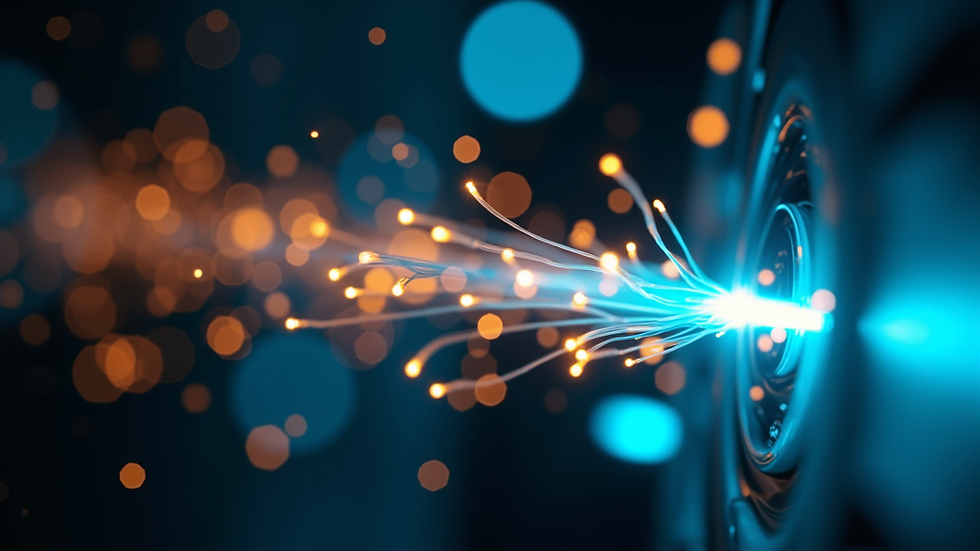
Fiber optic technology uses thin strands of glass or plastic to transmit data as light signals. This method allows for faster data transfer over long distances compared to traditional copper cables.
The core of a fiber optic cable is surrounded by a cladding layer, which reflects light back into the core. This design minimizes signal loss and allows for high-speed internet connections.
Key Components of Fiber Optic Cables
Core: The central part of the fiber where light travels.
Cladding: A layer that reflects light back into the core, preventing signal loss.
Buffer Coating: Protects the fiber from damage and environmental factors.
Understanding these components helps appreciate how fiber optics work and why they are so effective.
The Advantages of Fiber Optic Installations
Switching to fiber optic technology offers numerous benefits. Here are some of the most significant advantages:
1. Speed
Fiber optic connections can deliver internet speeds up to 1 Gbps or more. This speed is ideal for streaming, gaming, and video conferencing.
2. Reliability
Fiber optic cables are less susceptible to interference from electrical signals. This means a more stable connection, even during peak usage times.
3. Bandwidth
Fiber optics can handle a larger amount of data at once. This is crucial for households with multiple devices connected to the internet.
4. Distance
Fiber optic signals can travel longer distances without losing quality. This makes them perfect for connecting remote areas or large buildings.
5. Future-Proofing
As technology advances, the demand for faster internet will only increase. Fiber optics are designed to accommodate future upgrades, making them a smart long-term investment.
How Fiber Optic Installations Work
Understanding how fiber optic installations work can help you appreciate their benefits. Here’s a simple breakdown of the process:
Installation: Fiber optic cables are installed in your home or business. This may involve running cables through walls or underground.
Connection: The cables connect to a modem or router, which translates the light signals into data that your devices can use.
Data Transmission: When you send or receive data, it travels as light through the fiber optic cables. This process is incredibly fast and efficient.
Signal Conversion: The modem or router converts the light signals back into digital data, allowing your devices to access the internet.
This process is seamless and happens in the blink of an eye, providing you with a fast and reliable internet connection.
Choosing the Right Fiber Optic Provider
When considering fiber optic installations, choosing the right provider is crucial. Here are some tips to help you make the best choice:
1. Research Providers
Look for local providers that offer fiber optic services. Check their websites for information on coverage areas and available plans.
2. Read Reviews
Customer reviews can provide insight into the quality of service and reliability of the provider. Look for feedback on installation experiences and customer support.
3. Compare Plans
Different providers may offer various plans with different speeds and prices. Compare these options to find the best fit for your needs.
4. Ask About Installation
Inquire about the installation process. A good provider will offer professional installation and support throughout the process.
5. Check for Promotions
Many providers offer promotions or discounts for new customers. Take advantage of these offers to save on your installation costs.
The Installation Process
Once you have chosen a provider, the installation process typically involves several steps:
Site Survey: A technician will visit your location to assess the best way to install the fiber optic cables.
Installation Day: On the scheduled day, technicians will run the cables and connect them to your modem or router.
Testing: After installation, the technician will test the connection to ensure everything is working correctly.
Customer Training: Many providers offer training on how to use your new system effectively.
This process is usually quick and straightforward, allowing you to enjoy your new connection in no time.
Common Misconceptions About Fiber Optics
Despite the many benefits of fiber optic technology, some misconceptions persist. Here are a few common myths debunked:
Myth 1: Fiber Optics are Too Expensive
While the initial installation cost may be higher than traditional methods, the long-term benefits often outweigh the costs. Fiber optics can save you money on repairs and upgrades in the future.
Myth 2: Fiber Optics are Fragile
Many people believe that fiber optic cables are delicate and easily damaged. In reality, they are designed to be durable and can withstand various environmental conditions.
Myth 3: Fiber Optics are Only for Businesses
While fiber optics are popular in business settings, they are also becoming increasingly available for residential use. Many providers now offer fiber optic plans for homes.
Myth 4: Installation is Complicated
The installation process is typically straightforward and handled by professionals. Most customers find it easy and hassle-free.
By understanding the truth behind these myths, you can make a more informed decision about fiber optic installations.
Real-Life Applications of Fiber Optic Technology
Fiber optic technology is not just for internet connections. It has various applications across different industries. Here are a few examples:
1. Telecommunications
Telecom companies use fiber optics to provide high-speed internet and phone services. This technology allows for clearer calls and faster data transfer.
2. Healthcare
Hospitals and clinics use fiber optics for medical imaging and communications. This technology enables faster and more accurate diagnoses.
3. Education
Schools and universities are increasingly adopting fiber optic technology to enhance online learning experiences. This allows for seamless video conferencing and access to online resources.
4. Entertainment
Streaming services rely on fiber optics to deliver high-quality video content. This technology ensures smooth playback and minimal buffering.
These examples illustrate the versatility and importance of fiber optic technology in our daily lives.
The Future of Fiber Optic Technology
As technology continues to evolve, fiber optics will play a crucial role in shaping the future of connectivity. Here are some trends to watch:
1. Increased Adoption
More homes and businesses will switch to fiber optic connections as demand for high-speed internet grows.
2. Advancements in Technology
Innovations in fiber optic technology will lead to even faster speeds and more reliable connections.
3. Integration with 5G
Fiber optics will support the rollout of 5G networks, providing faster mobile internet and improved connectivity.
4. Smart Cities
Fiber optic technology will be essential in developing smart cities, enabling efficient communication between devices and infrastructure.
These trends indicate a bright future for fiber optic technology, making it an exciting time to consider installations.
Making the Switch to Fiber Optics
If you are considering upgrading to fiber optic technology, here are some steps to help you get started:
Assess Your Needs: Determine your internet usage and what speed you require.
Research Providers: Look for local providers that offer fiber optic services.
Compare Plans: Evaluate different plans to find the best fit for your needs and budget.
Schedule Installation: Once you have chosen a provider, schedule an installation date.
Enjoy Your Connection: After installation, take advantage of your new high-speed internet connection.
By following these steps, you can enhance your connectivity and enjoy the many benefits of fiber optic technology.
Embracing the Future of Connectivity
Fiber optic installations are revolutionizing how we connect to the internet. With their speed, reliability, and capacity for future upgrades, they are an excellent choice for both homes and businesses.
As technology continues to advance, fiber optics will play a vital role in ensuring we stay connected. Whether for work, education, or entertainment, investing in fiber optic technology is a step toward a more connected future.
By embracing this technology, you can enhance your connectivity and enjoy a seamless online experience. Don't wait any longer; consider making the switch to fiber optics today.


Comments